
Labeling Systems That Actually Speed Up Unloading
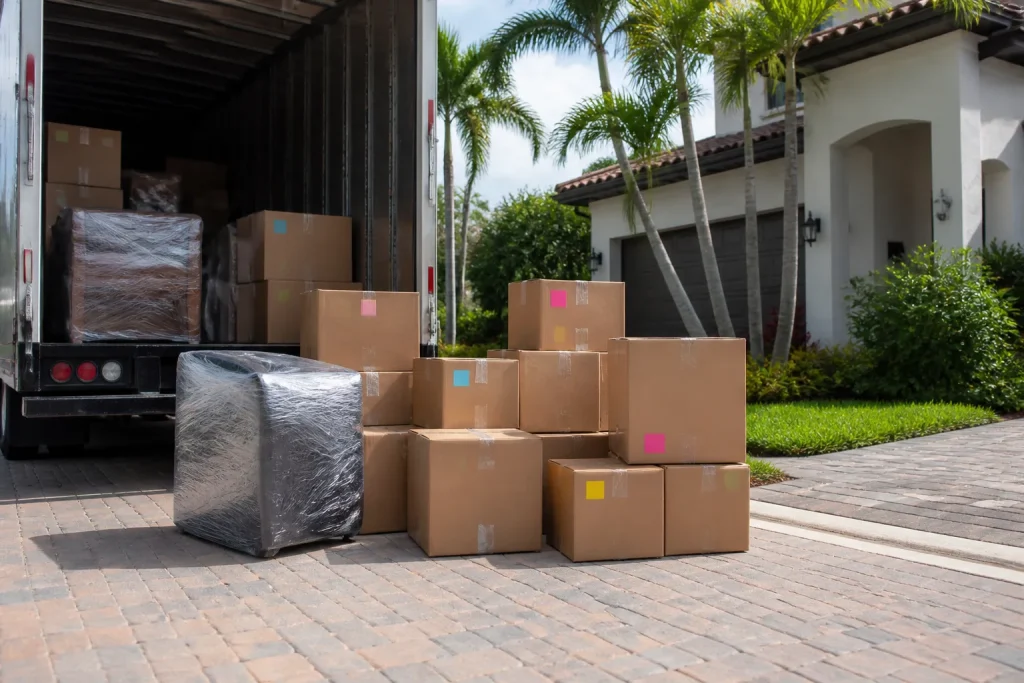
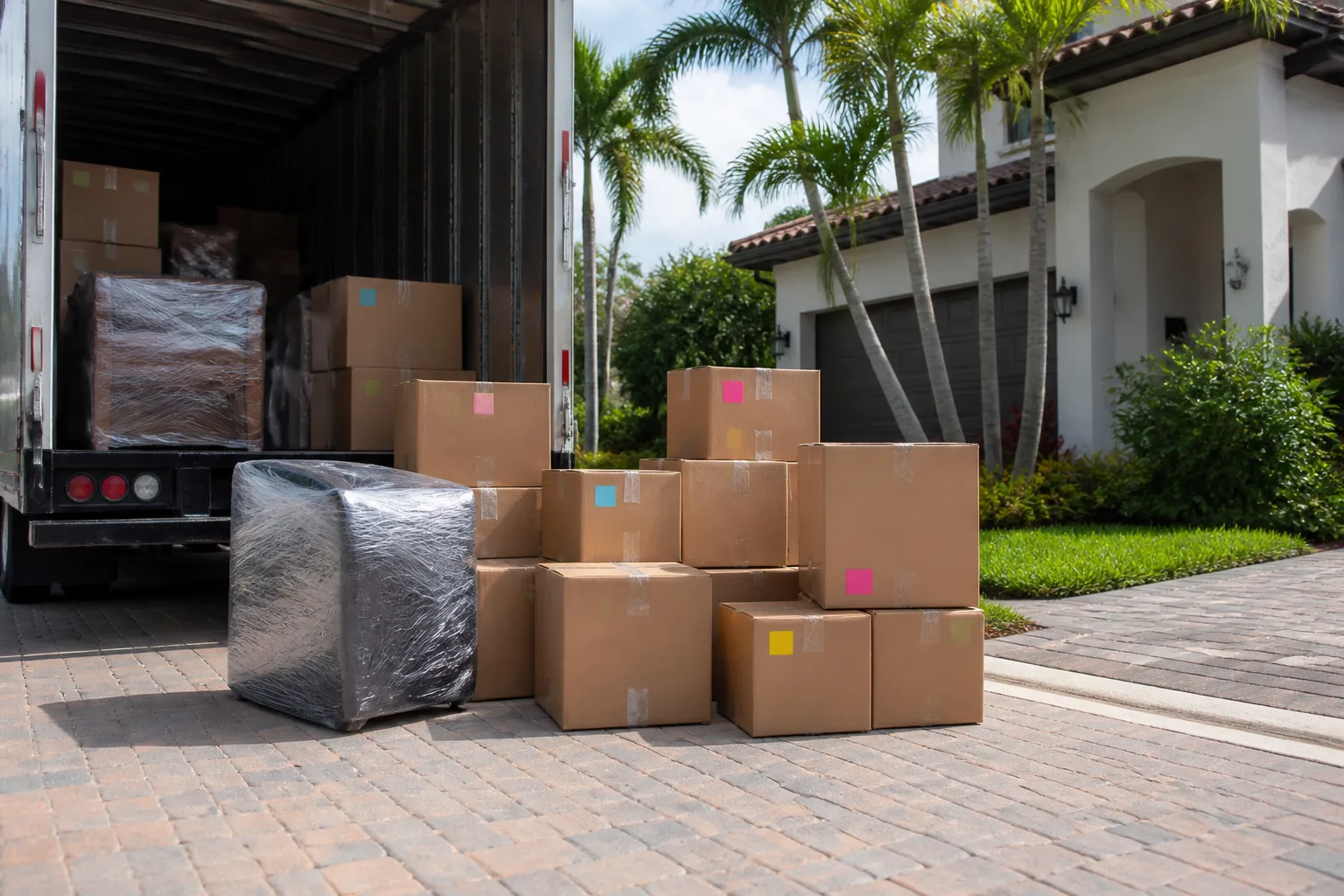
A clear labeling system can cut unloading time by 30% or more. The best approach uses color-coded tape by room, numbered boxes with a master inventory, and large readable labels on multiple sides so crew or helpers can route items correctly without asking questions. If you’d rather not handle the logistics yourself, Milestone Moving Co. home offers full-service packing with professional labeling included - call (855) 890-3455.
Most people label boxes like they’re addressing a birthday card: one strip of tape, a quick “kitchen” scribble, done. Then they wonder why the unloading takes four hours and their coffee maker ends up in the garage. We’ve been moving families in and out of Hollywood since 2006, and we’ve seen every labeling shortcut backfire. The systems that actually work are simple, but they require a little more thought upfront.
Color-Coding by Room: The Visual Shortcut
Your brain processes color faster than text. That’s why hospitals use color-coded wristbands and why your crew will move faster with colored tape than with handwritten labels alone.
Buy a four- or six-pack of colored packing tape - Uline carries a reliable set that doesn’t peel in humidity, which matters in Hollywood from June through October. Assign one color per room: red for kitchen, blue for master bedroom, green for living room, yellow for kids’ rooms. Wrap a full strip around two opposite corners of every box so the color shows from any angle.
The key detail most people miss: post a color key at both ends. Tape a note to the inside of your front door in Hollywood with the color assignments, and another at the new place where movers will enter. Without this, your color system becomes a private language nobody else speaks.
We moved a family out of the Emerald Hills neighborhood last month who used colored dots instead of tape. Half the dots fell off in the truck. Tape wrapped around the corner stays put. Spend the extra few dollars.
Numbered Inventories: Knowing What’s Where
Color tells you the room. Numbers tell you the contents. Together they eliminate the box-opening lottery on the other end.
Here’s the system our packing crews use:
- Assign each box a number as you seal it.
- Write that number on every colored tape strip.
- Keep a running list - notebook, phone notes, spreadsheet, whatever you’ll actually reference.
- Note the room, general contents, and any handling instructions: “Box 12, Kitchen, pots and pans, HEAVY.”
The inventory serves two purposes during unloading. First, you know immediately if a box is missing - no discovering three days later that the garage box with your tools never made it. Second, you can direct priority unloading without opening anything. “Boxes 1 through 8 are bedroom essentials, unload those first.” Your crew doesn’t guess. They execute.
For local moves in Hollywood, we often see customers skip the inventory because “it’s just across town.” Then they can’t find the coffee maker Monday morning and blame the movers. The 10 minutes of labeling saves an hour of frustrated searching.
Label Placement: Where the Eye Actually Goes
A label on the top of a box is invisible when that box is stacked four high in a moving truck. Labels need to live where people actually look.
Put your primary label on one short side and one long side of every box. The top can have a secondary label, but never rely on it alone. Use a thick permanent marker - Milwaukee makes a fine-point version that doesn’t dry out mid-move, and their chisel-tip markers work well for larger boxes. Write in block letters. Cursive under pressure becomes hieroglyphics.
Include these three elements on every label:
- Room destination
- Box number (from your inventory)
- Handling note if needed: FRAGILE, HEAVY, THIS SIDE UP
Be specific with room names. “Bedroom” is useless if you have three. “Master BR,” “Guest BR,” “Kids’ BR - Emma” prevents the guessing game. We once unloaded a truck in Hollywood Hills where every box said “bedroom” and the family had four. The father finally started reading box contents aloud like an auctioneer. Don’t be that household.
Priority Marking: What Unloads First
Not all boxes are equal. Some contain your first-night essentials. Others can sit in the garage for a week. A priority system lets your crew know the difference without you hovering.
Use a simple three-tier approach:
- Priority 1 - Open First: Mark with a large “1” or “OPEN FIRST” in red marker. Bedding, toiletries, basic kitchen items, phone chargers, medications. These unload directly into the relevant room and get opened immediately.
- Priority 2 - This Week: Standard household items you’ll need within a few days. Clothes, most kitchenware, electronics. These go to their rooms but can wait for unpacking.
- Priority 3 - Storage/Eventually: Holiday decorations, archived files, off-season gear. These can stack in a designated corner or storage area.
Tell your crew the priority system before they start. A two-sentence explanation at the door saves twenty questions later. If you’ve hired Milestone Moving Co., our crew chiefs confirm the priority plan during the walkthrough - it’s part of how we keep the unload efficient and the damage rate low.
The “Load Last, Unload First” Principle
Labeling only works if the right boxes are accessible at the right time. The best-labeled Priority 1 box does you no good buried under the couch.
When loading a truck - whether it’s a Milestone rig or a Budget Truck Rental you picked up yourself - stage your Priority 1 boxes last. They ride near the door and come off first. This sounds obvious, but in the chaos of moving day, sequence gets forgotten. We recommend designating one corner of your Hollywood home as the “load last” zone and keeping Priority 1 boxes there until everything else is in the truck.
For container moves with U-Pack or similar services, this principle matters even more. You won’t have access to the back of the container until delivery. Load order becomes unload order, full stop. Your labeling system should include load-sequence numbers if you’re packing a container yourself - “Load #15 of 40” - so you can track what’s accessible.
When to Call a Pro
If you’re packing a studio apartment and own a label maker, you can handle this yourself. If you’re moving a household with kids, a home office, and a garage full of project gear, the labeling alone becomes a part-time job. That’s where professional packing services earn their cost - not just in labor, but in the systems that prevent chaos on the other end.
Milestone Moving Co. provides full packing and labeling as part of our full-service moves, with the same crew handling your load and unload. One team, start to finish - background-checked, in uniform, on our payroll. The price we quote is the price you pay, backed by our binding written quote and 90-Day Done Right Promise.
Related services in Hollywood: If you’re handling the packing yourself but need loading help, our Milestone Moving Co. home page lists labor-only options and full-service packages.
The Bottom Line
The labeling systems that actually speed up unloading share three traits: they’re visual (color), they’re specific (numbers and room names), and they’re visible from multiple angles. Combine color-coded tape, a numbered inventory, priority markings, and strategic load order, and you’ll cut your unload time significantly. The alternative is standing in your new driveway, opening boxes to find out where they go, while the meter runs or your volunteer friends check their watches.
If you’re in Hollywood and want a crew that shows up with systems already in place, Milestone Moving Co. offers free in-home and video estimates. Call (855) 890-3455. The quote is binding, the crew is vetted, and we back every job with our 90-Day Done Right Promise.
Frequently Asked Questions
Use colored packing tape by room, assign each box a number, and keep a written inventory. Place labels on two sides of every box so they’re readable when stacked. This combination lets anyone unloading know exactly where each box goes without asking questions.
Regular tape and a quality permanent marker work fine for most moves. Colored packing tape is worth the small investment - it’s faster to spot than colored markers on brown cardboard, and it doesn’t fade. For a typical Hollywood household move, a $15 multi-pack of colored tape saves more than that in unloading time.
Number every box and keep a running list on paper or your phone. Note the room, general contents, and any handling instructions. Don’t try to inventory every item - “Kitchen, baking supplies, HEAVY” is enough detail to route the box correctly and find what you need later.
Pack bedding, toiletries, medications, phone chargers, basic kitchen items (coffee maker, one pot, plates and utensils for each person), and a change of clothes. Mark this box clearly and load it last so it comes off first. If you have multiple Priority 1 boxes, number them 1A, 1B, 1C so your crew knows the full set.
A good crew uses whatever system you’ve created, but a clear system makes them faster and reduces errors. At Milestone Moving Co., we coordinate with customers during the walkthrough to understand their labeling and priorities. If you haven’t labeled yet, our packing crews apply our own system - color-coded, numbered, and inventoried - as part of the service. Call (855) 890-3455 for a free estimate.
Written by Dale Whitmore, Owner & Crew Chief, Milestone Moving Co. at Milestone Moving Co., serving Hollywood since 2006.
Need Moving Help?
Call Milestone Moving Co. - licensed & insured, available 24/7 in Hollywood.
(855) 890-3455